
There is a moment on safari that you do not forget.
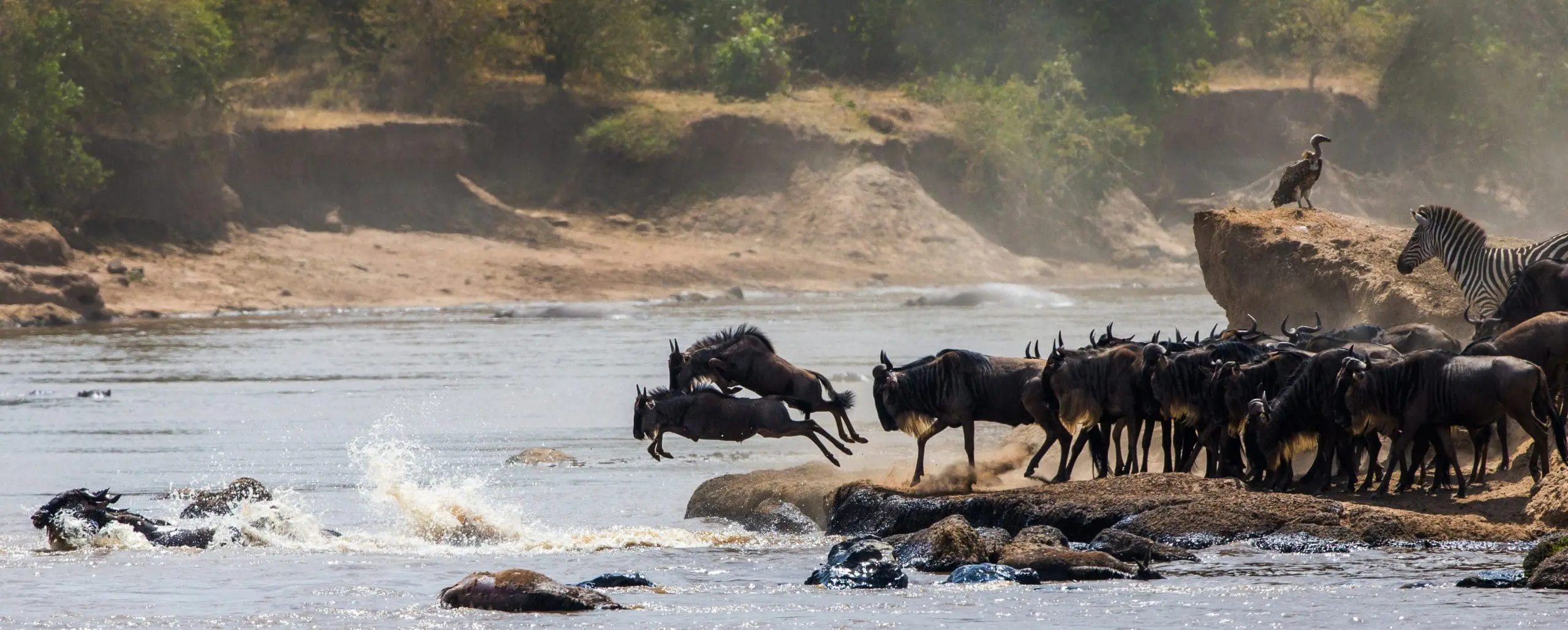
The dust rises first. Then the sound, a low thunder you feel in your chest before you understand what it is. And then they come, thousands of wildebeest pouring across the plain and down the riverbank, throwing themselves into the water while crocodiles wait and the whole vehicle goes silent. You reach over without looking, and your sister’s hand is already there.
This is the Great Migration, the greatest wildlife spectacle on earth, and it happens across Kenya and Tanzania. It is the Africa you were sold your whole life in nature documentaries. The difference is that this time, it is real, it is in front of you, and the women you love are watching it too. Here is how to make it your trip.
Why the Great Migration Is the One Everyone Dreams Of
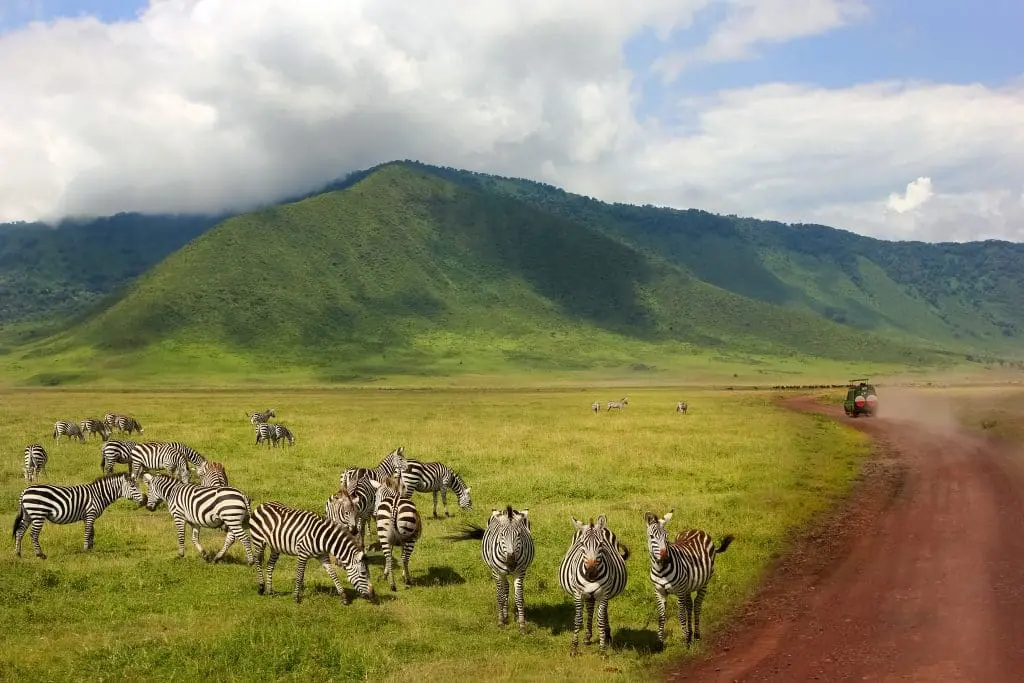
Every year, more than a million wildebeest, along with hundreds of thousands of zebra and gazelle, move in a great loop through the Serengeti in Tanzania and the Maasai Mara in Kenya, following the rains and the grass. It is constant motion, but the part that takes your breath away is the river crossings, when the herds gather at the water’s edge and surge across in a chaos of dust, hooves, and nerve.
Around it lives the rest of the cast: lions, elephants, leopards, giraffes, the whole Big Five and more. But the Migration is the headline, and seeing it in person rearranges something in you. No screen has ever done it justice.
Kenya and Tanzania at a Glance
Flight from JFK: Nairobi, Kenya, is about 15 hours nonstop. Kilimanjaro, Tanzania, is about 16 to 18 hours with a stop.
Entry: Two separate systems. Kenya uses an online eTA, about $32. Tanzania uses an e-Visa, and US travelers buy the Multiple-Entry Visa, about $100. Apply for both before you fly.
Best time to go: July to October for the river crossings, and January to February for the calving.
Language: Swahili and English, both widely used.
Currency: The Kenyan and Tanzanian shillings, with US dollars common in tourism.
When to Go, the Part That Matters Most
With the Migration, timing is everything, because the herds are always moving.
- July to October: the famous Mara River crossings, mostly in Kenya’s Maasai Mara. This is the dramatic, bucket-list window, and the most popular.
- January to February: calving season in the southern Serengeti, when thousands of wildebeest are born and the predators are close behind. Quieter, and extraordinary in its own right.
- June to October overall is the dry season and the best general game viewing across both countries, with thinner bush and animals gathered at the water.
Avoid the long rains, roughly March to May, when some camps close and roads turn to mud. And here is the happy coincidence: the prime safari months line up with the dry season on Zanzibar, which is why so many women end the savanna on the sand.
What to See and Do
The Maasai Mara (Kenya) and the Serengeti (Tanzania) are the two halves of the same great ecosystem, and the heart of the Migration. Ngorongoro Crater in Tanzania is a collapsed volcano cradling one of the densest concentrations of wildlife on earth, a safari in a single, stunning bowl.
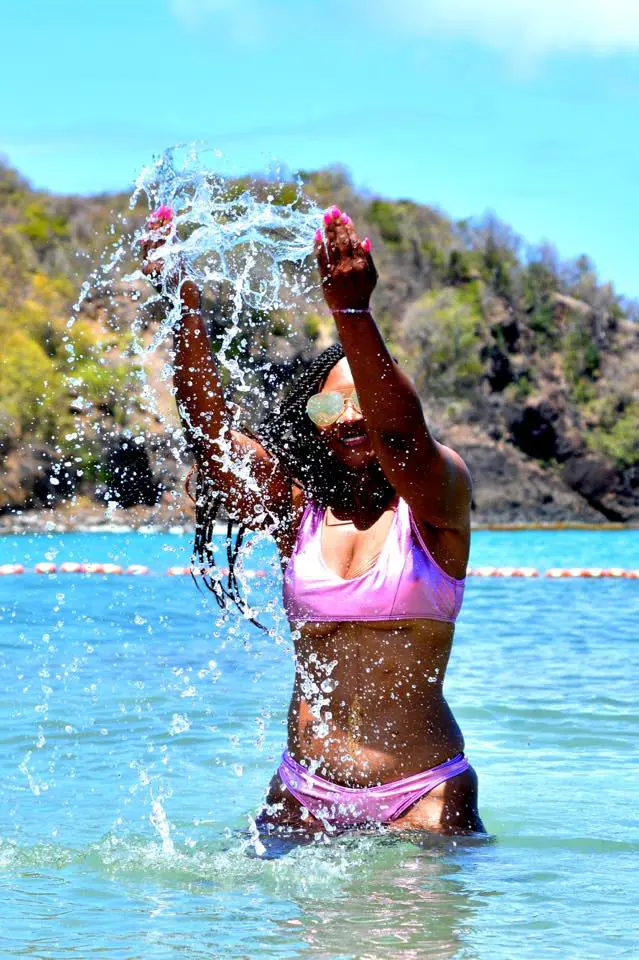
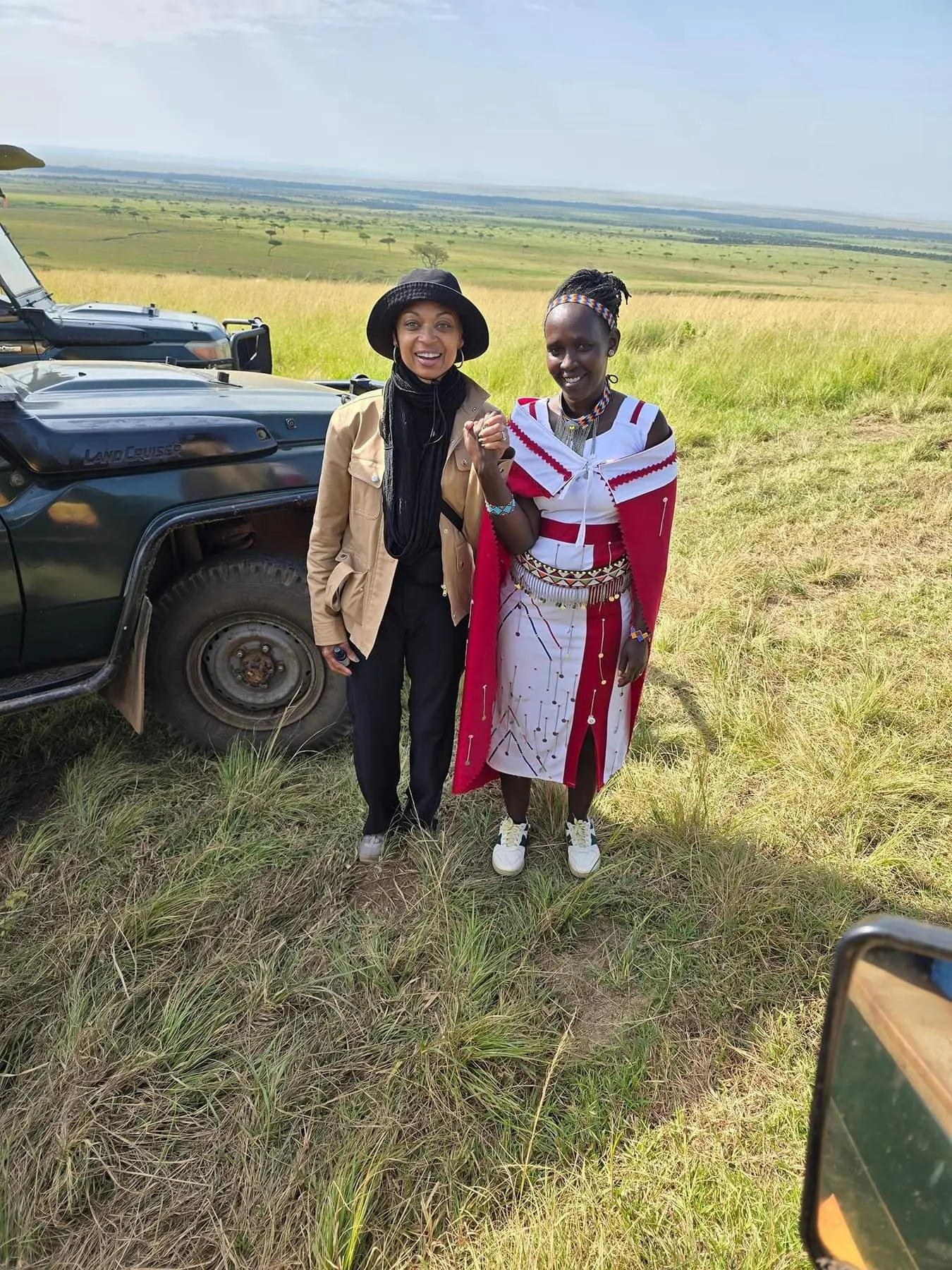
Float above it all at dawn in a hot-air balloon, sit with a Maasai community and learn the land through their eyes, and in Amboseli, watch elephants stride beneath the snows of Mount Kilimanjaro. Then, when the savanna has filled you up, fly to Zanzibar and trade it all for warm, clear water. Here is the island that pairs with it.
What to Eat
Safari food is heartier and homier than you might expect. Gather around nyama choma, the grilled meat that is the region’s great social meal, with ugali and sukuma wiki alongside, warm chapati, and Swahili-spiced dishes near the coast. And do not leave without the coffee and tea, grown in these highlands and among the best in the world.
What You Need to Know Before You Go
- Two visas, two systems. This is the detail people miss. Kenya and Tanzania are separate countries with separate entries. Get the Kenya eTA and the Tanzania Multiple-Entry e-Visa online before you travel.
- Passport. Valid six months with blank pages. Here is the passport mistake that strands travelers.
- Health. A yellow fever vaccination is often required depending on your routing, and recommended regardless, so carry your yellow card. Ask a travel clinic about malaria prevention four to six weeks out.
- The safari itself. This is the trip you most want to do with a guide and a proper vehicle. The timing of the crossings, the tracking of the animals, the choice of camps, all of it rewards experience you do not have on a first trip.
- Safety. The parks and lodges are well run and welcoming, with the same common sense you would use anywhere in the cities. Here is our honest take on safety.
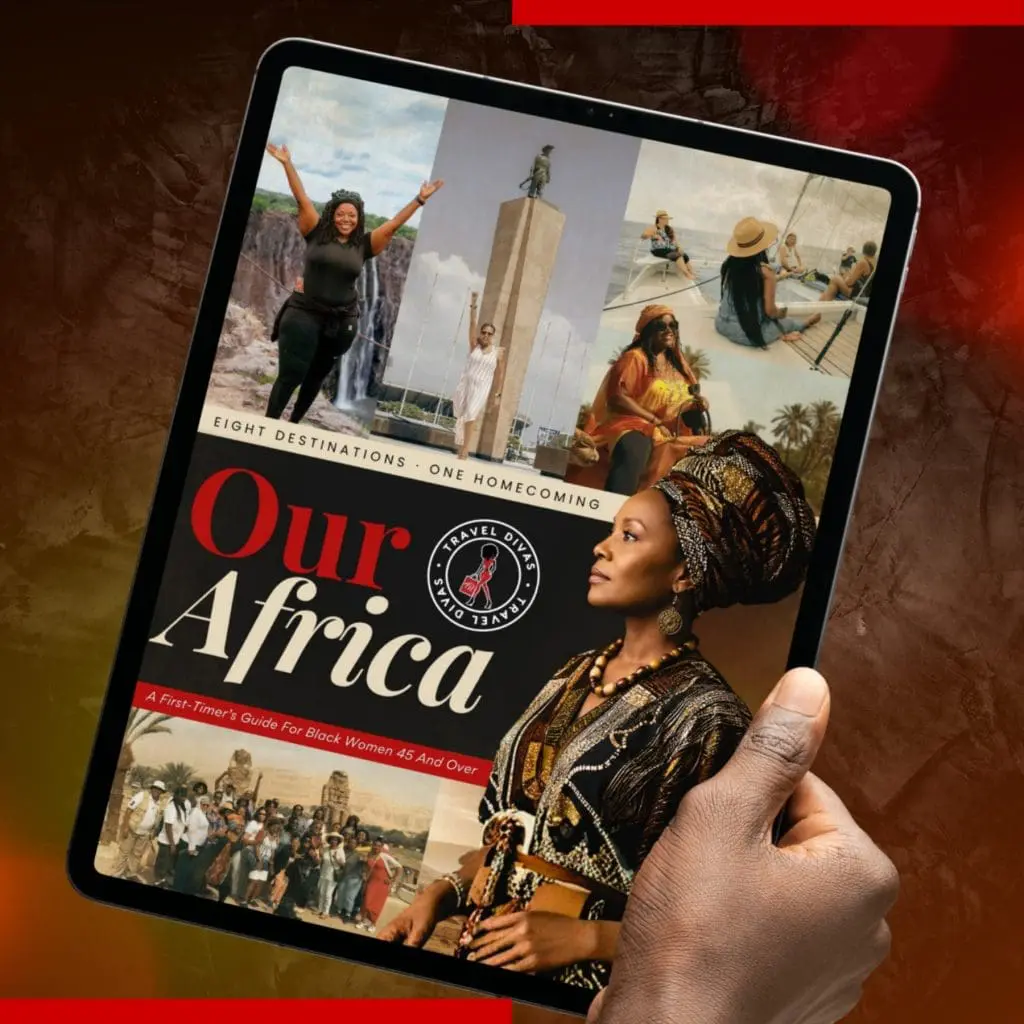
We keep the current entry details for Kenya, Tanzania, and all eight destinations, in the free Our Africa guide.
Why You Belong Here
This is the Africa of her imagination, the one in every documentary and every dream she was handed as a girl. For most of her life it lived behind a screen, narrated by someone else.
Now it is in front of her, in full color, on her own terms. And she is not watching it alone. She is watching it with women who understand, who reach for her hand at the river’s edge, who will tell the story of this exact morning for the rest of their lives. The picture she was sold her whole life, finally hers to live, and to share.
When You Are Ready
A safari across two countries, often capped with an island, is the trip of a lifetime, and it is also the one with the most moving parts: two visas, internal flights, camps, timing, and a guide who knows where the herds will be.
This is the clearest case on the whole continent for going together. Let someone who has done it many times carry the logistics, so all you have to carry is the memory. That is the whole point.
Get the Free Our Africa Guide
Real flight times, current entry rules for both countries, the Migration calendar, and a country-by-country readiness checklist. Drop your name, email, and number, and it is yours.
Travel Divas. Where Black Women Travel.