
Because understanding where we come from makes us unstoppable.
There’s something transformative about standing where your ancestors stood. About touching the same walls they touched. About breathing the same air where their stories began—or were forever altered. This Black History Month, we’re going beyond textbooks and timelines. We’re inviting you to walk the paths of the African diaspora, from the shores where millions departed to the communities where they survived, resisted, and thrived.
These ten destinations aren’t just travel spots—they’re pilgrimage sites. Places where Black women can reconnect with heritage, honor ancestors, and experience the resilience that runs through our veins. Whether you’re tracing roots or simply seeking a deeper understanding of our collective story, these journeys will change you.
1. Portugal (Lisbon)
The Forgotten Epicenter of the Slave Trade
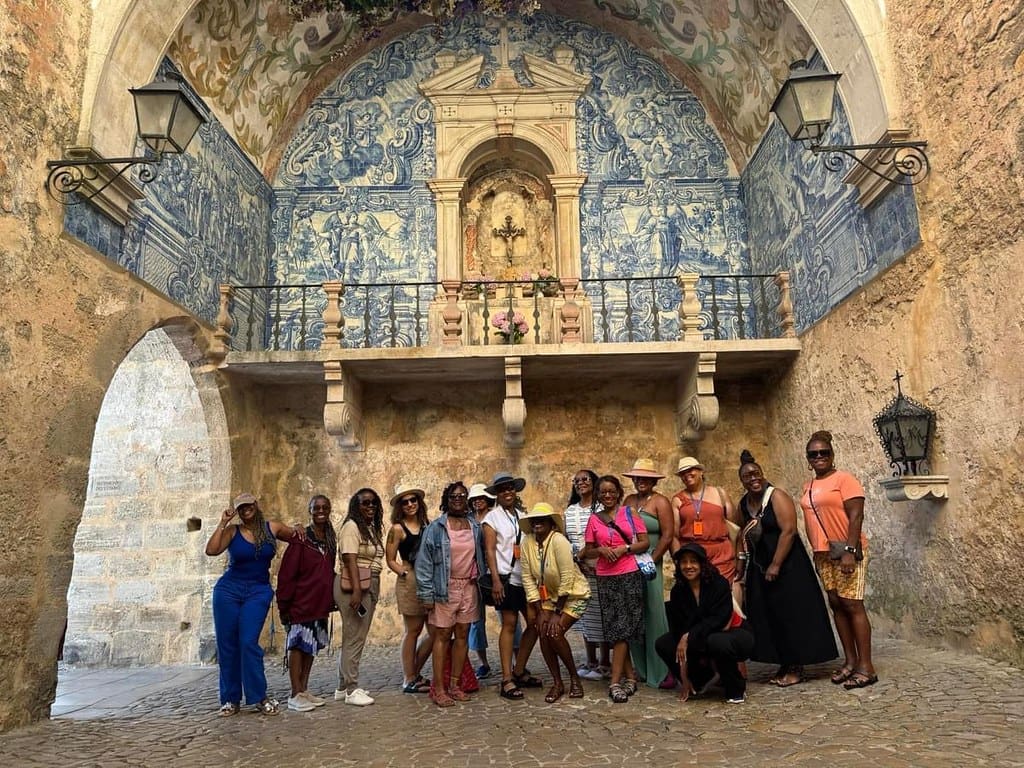
Most people don’t know that Lisbon was ground zero for the transatlantic slave trade. By the mid-1500s, approximately 10% of Lisbon’s population was Black—both enslaved and free Africans from Benin, Congo, and the Gold Coast. The Casa dos Escravos (House of Slaves), established in 1486, processed arrivals and auctions right in the heart of the city.
Today, this history is finally being acknowledged. The newly opened Memorial to Enslaved Peoples stands along the Tagus River where slave ships once docked. The Mocambo neighborhood (now Madragoa) was established as a free Black community in the late 1500s. Walk through the African Lisbon Tour to discover Largo de São Domingos, where enslaved Africans gathered and created the first Black Catholic brotherhood.
Why it matters: Portugal launched the modern slave trade, yet its African legacy remained hidden for centuries. Visiting means bearing witness to history finally being told—and reclaiming your presence in a city your ancestors helped build.
2. Morocco (Essaouira & Marrakech)
Where African Soul Meets Arabic Soul
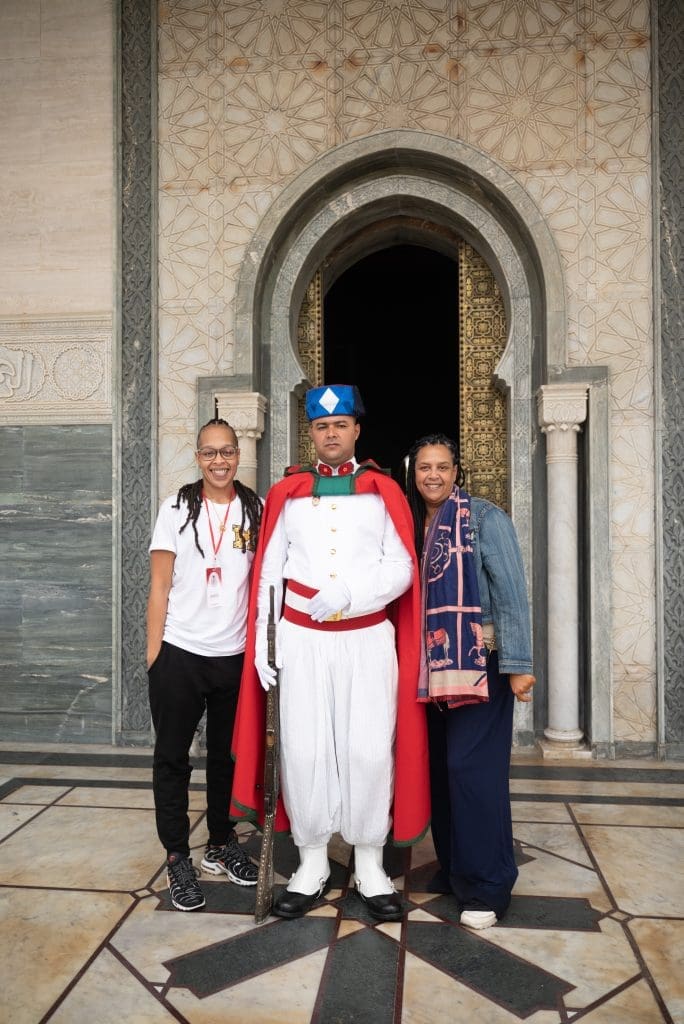
The hypnotic rhythms of Gnawa music will stir something deep within you. This UNESCO-recognized tradition was created by West Africans—primarily Hausa, Fulani, and Bambara peoples—who were brought to Morocco as enslaved people beginning in the 11th century. The music is often called ‘Morocco’s blues,’ and when you hear those three-stringed guembri and metal castanets (krakeb), legend says they were forged from the shackles of slaves.
Every June, the Gnawa World Music Festival in Essaouira brings master musicians together for three days of soul-stirring performances. But Gnawa isn’t just entertainment—it’s spiritual practice, healing ceremony, and living history. The word ‘Gnawa’ itself comes from the Berber word meaning ‘Black people.’
Why it matters: Gnawa music proves that African identity survived captivity. When African Americans like Randy Weston and Pharoah Sanders collaborated with Gnawa masters, they weren’t just making music—they were reconnecting scattered pieces of a global Black family.
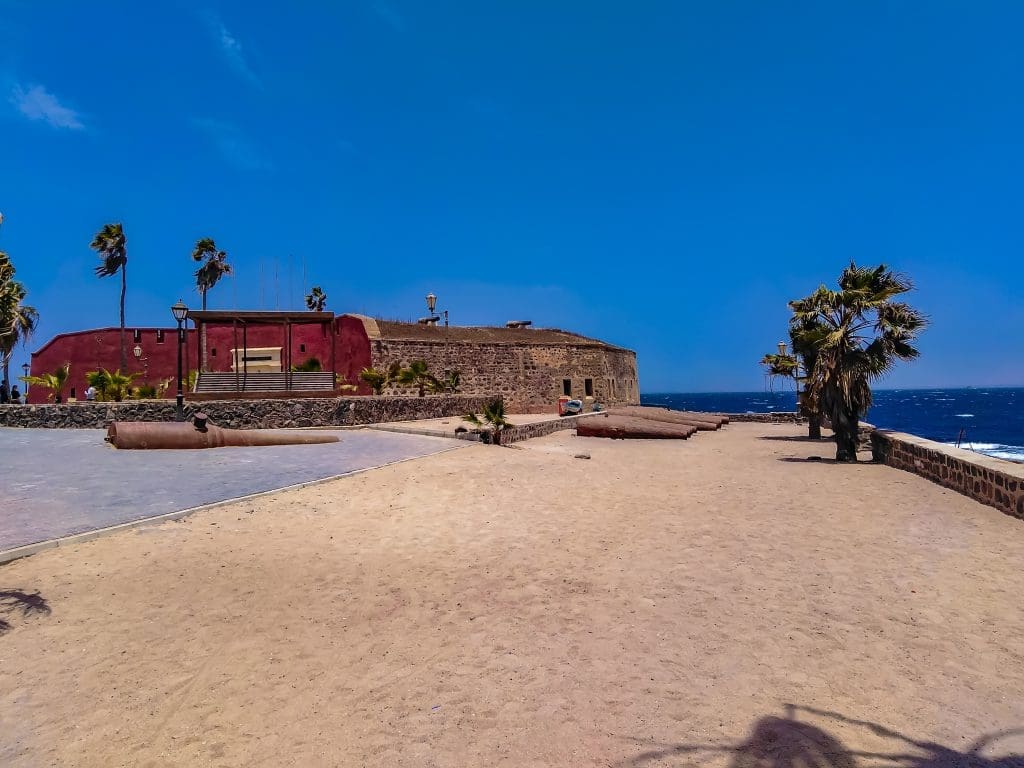
3. Senegal (Gorée Island)
The Door of No Return
Twenty minutes by ferry from Dakar lies Gorée Island, a UNESCO World Heritage Site and the most visited memorial to the Atlantic slave trade. The House of Slaves, with its infamous ‘Door of No Return,’ has drawn pilgrims from across the diaspora—including Nelson Mandela, Pope John Paul II, and President Barack Obama.
Standing in those cramped dungeon cells, feeling the weight of history press against your chest, is an experience words cannot capture. The curators speak of women separated into cells by age, children torn from mothers, men shackled and evaluated like livestock. The door frames the Atlantic—the same waters our ancestors were forced to cross.
Today, Gorée Island serves as both memorial and meeting place. It is, as UNESCO describes, ‘a foyer for contact between the West and Africa, and a space for exchange and dialogue between cultures through reconciliation and forgiveness.’
Why it matters: This is roots tourism at its most raw. Visitors often collect soil or seawater to bring home—a symbolic repatriation of land stolen ancestors never saw again. It’s the funeral that was never held, the mourning that spans centuries.
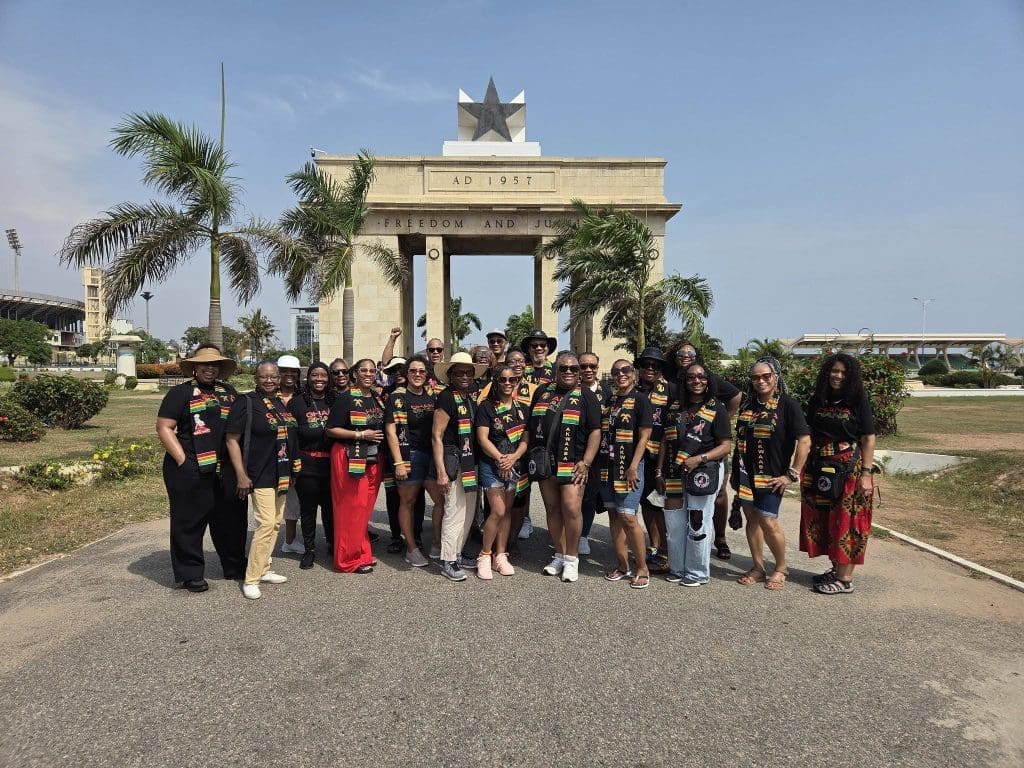
4. Ghana (Cape Coast & Elmina)
September 16–24, 2026 | Starting at $5,799 (double occupancy)
If your group chat energy is “we’ve worked hard and we deserve this,” the French Riviera is calling your name. Nice, Monaco, Monte Carlo—these aren’t just destinations, they’re declarations. This trip says: We arrived.
Seven nights at the Anantara Plaza Nice Hotel overlooking the Baie des Anges. A Veuve Clicquot Brunch. A visit to the legendary Casino de Monte-Carlo. Shopping in Monaco’s most exclusive districts. A Fragonard Perfume Museum tour. The All White Welcome Dinner and Shades of Red Farewell Dinner are the kind of themed experiences that make Travel Divas trips unforgettable.
Why it’s perfect for your crew: For the friend group that’s been saying “one day” for years. This is the trip where you stop dreaming about the South of France and start living it.
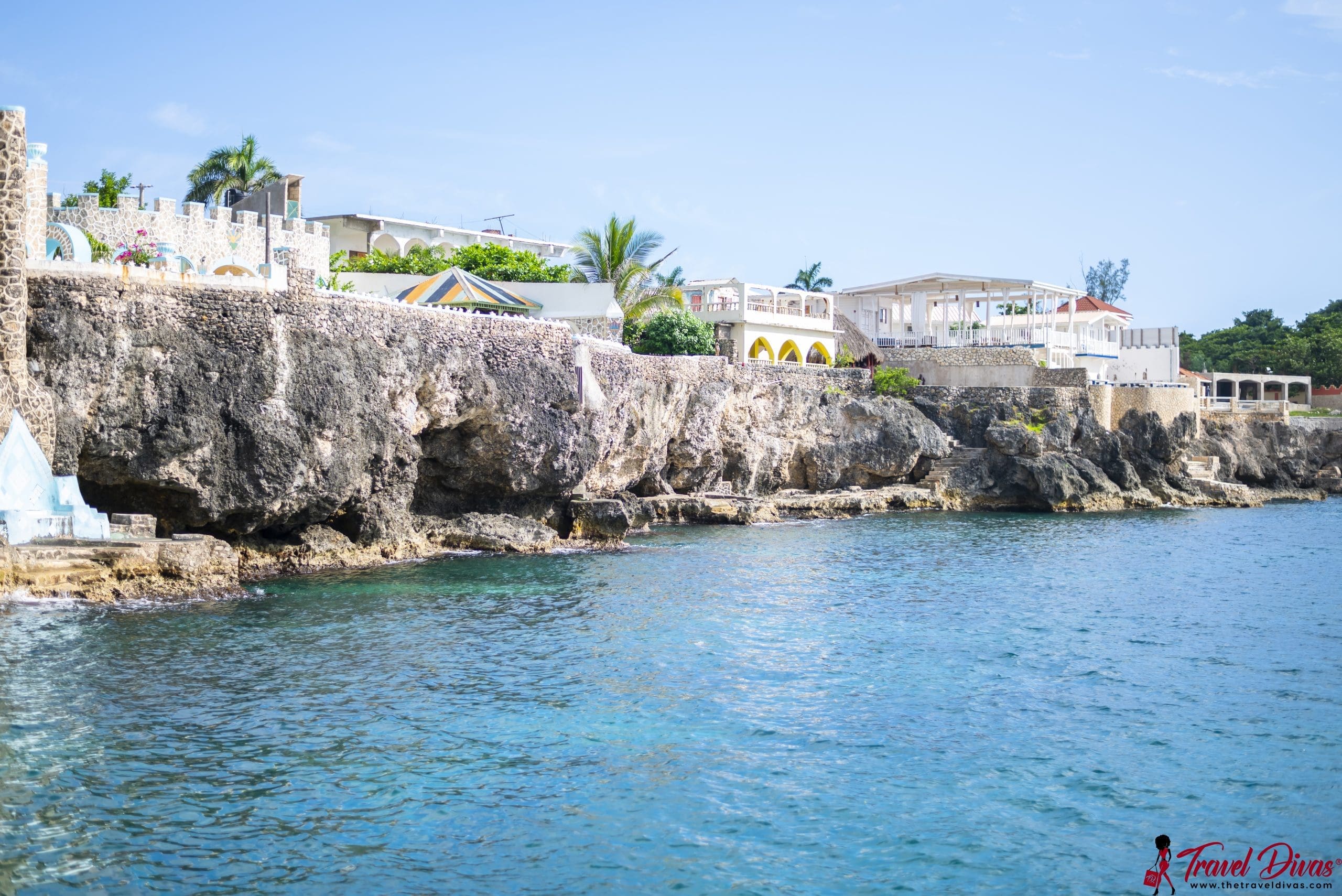
5. Jamaica (Blue Mountains & Cockpit Country)
The Maroons: Africa’s Warriors in the Caribbean
Long before emancipation, there were free Black people in Jamaica who never submitted to slavery. The Maroons—escaped Africans who fled into the rugged mountains—waged guerrilla warfare against the British for decades. In 1739, after two exhausting Maroon Wars, the British signed peace treaties granting the Maroons land and autonomy. They were freed nearly a century before the Slavery Abolition Act.
Today, Maroon communities like Accompong Town and Moore Town still exist as semi-autonomous territories. They maintain African traditions including the abeng (cow horn used for communication), Koromanti religious practices, and drumming styles brought directly from the Gold Coast. Queen Nanny, the legendary Ashanti warrior-priestess who led the Windward Maroons, is Jamaica’s only female National Hero and appears on the $500 bill.
Visit during the annual Accompong Maroon Festival on January 6th to experience traditional celebrations, or arrange a tour through the Blue and John Crow Mountains National Park (UNESCO World Heritage Site) to understand how terrain became liberation.
Why it matters: The Maroons prove that resistance was constant and often successful. Their survival strategies, rooted in African military traditions, inspired later movements including the Haitian Revolution. Their story is one of victory, not victimhood.
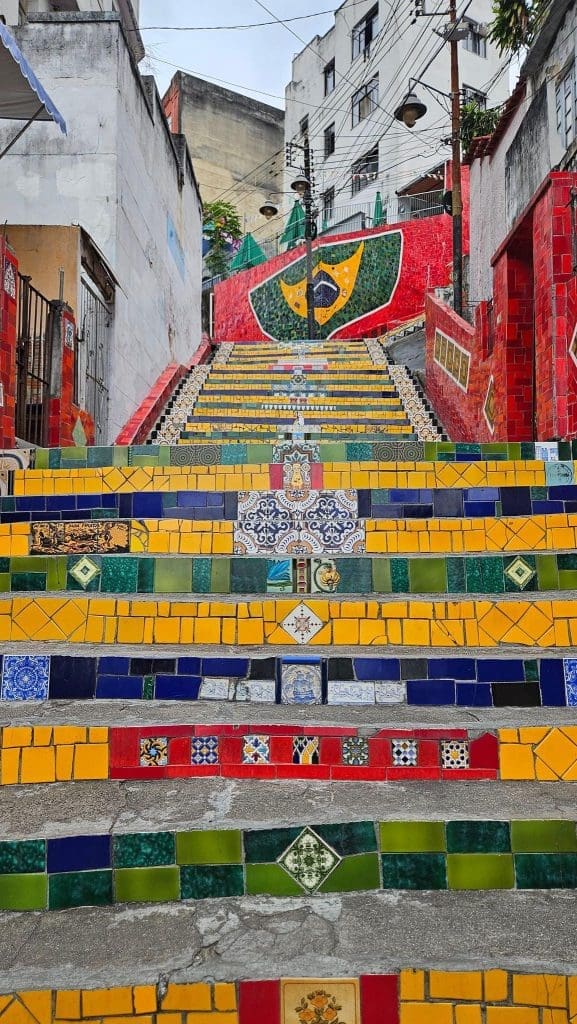
6. Rio de Janeiro, Brazil (Little Africa)
Birthplace of Samba, Heart of the Diaspora
Brazil received more enslaved Africans than any other nation in the Americas—nearly 5 million people. Rio de Janeiro alone was home to over half a million Black residents by the mid-1800s. Today, Brazil has the largest Black population outside of Africa, and that heritage pulses through every beat of samba, every movement of capoeira, every flavor of feijoada.
Pequena África (Little Africa) in Rio’s port district is where it all began. The Valongo Wharf, now a UNESCO World Heritage Site, was the main disembarkation point for enslaved Africans in the Americas—nearly one million people passed through. Nearby, Pedra do Sal (Salt Rock) is the birthplace of samba, where freed Black people gathered to dance, worship, and preserve forbidden traditions.
Don’t miss the MUHCAB (Museum of Black History and Culture), the Instituto Pretos Novos (a memorial built over a mass grave of enslaved Africans), and the house of Tia Ciata—the ‘Matriarch of Samba’ without whom Carnival as we know it might not exist.
Why it matters: Afro-Brazilian culture IS Brazilian culture—Carnival, capoeira, candomblé, samba. Understanding this history reframes everything you thought you knew about Brazil and reveals how African creativity shaped an entire nation.
7. Cartagena, Colombia (San Basilio de Palenque)
The First Free Black Town in the Americas
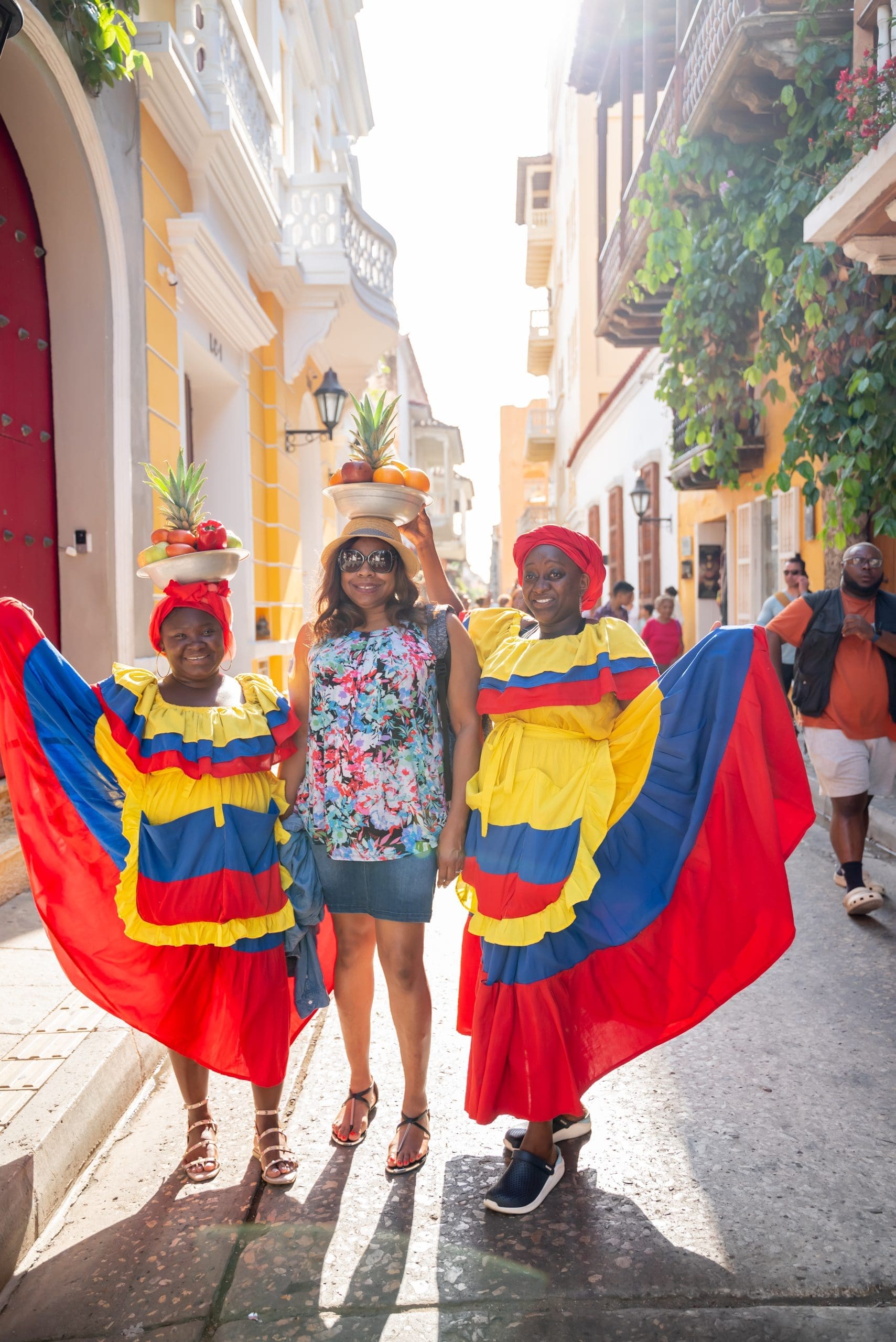
About 90 minutes from Cartagena’s colorful colonial streets lies San Basilio de Palenque—the first legally recognized free Black settlement in the Americas. Founded in 1599 by Benkos Biohó, an African king who escaped slavery and led others to freedom, Palenque was granted official freedom by the Spanish Crown in 1713—more than 200 years before Colombia’s independence.
Walk through Palenque today and you’ll hear Palenquero, the only Spanish-based creole language in South America, influenced by Kikongo from Congo and Angola. You’ll see the lumbalú funeral traditions, hear the drums of mapalé and bullerengue, and meet the Palenqueras—the colorfully dressed women who have become symbols of Afro-Colombian pride.
In 2005, UNESCO declared Palenque a Masterpiece of Oral and Intangible Heritage of Humanity. The village has produced world boxing champions, renowned musicians, and a fierce sense of identity that survived centuries of marginalization.
Why it matters: Palenque proves that freedom was possible. While slavery raged across the Americas, this community held its ground—and held onto Africa. Their language, music, and traditions are living proof that our culture cannot be erased.
8. Durban, South Africa (KwaZulu-Natal)
The Heart of the Zulu Nation
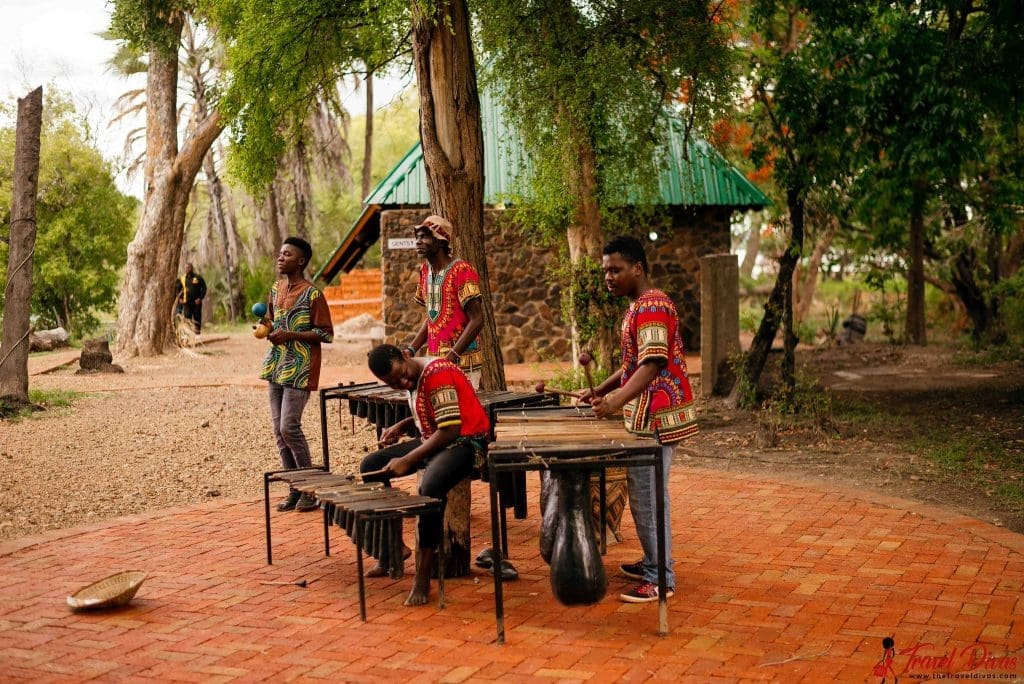
Durban is the gateway to understanding Zulu heritage—one of Africa’s most powerful and influential cultures. The Valley of 1,000 Hills outside the city has been home to the Zulu people for centuries, and visitors can experience traditional ceremonies, music, and customs firsthand.
But Durban’s significance extends beyond ancient history. This is where Gandhi developed his philosophy of nonviolent resistance before returning to India. This is where apartheid brutally relocated Black South Africans to townships like Umlazi and Ntuzuma. And this is where the Nelson Mandela Capture Site marks the exact spot where Mandela was arrested in 1962, beginning his 27-year imprisonment.
Experience Zulu culture at the KwaMuhle Museum (which tells the city’s history from an African perspective), wander through the traditional medicine stalls at Victoria Street Market, and take the Inanda Heritage Route connecting sites from Gandhi’s Phoenix Settlement to Chief Albert Luthuli’s home.
Why it matters: The Zulu people represent unbroken African heritage on the continent itself. Their military tactics at Isandlwana stunned the British Empire. Their culture survived colonialism and apartheid. Standing in their homeland is standing in continuity.
9. Johannesburg, South Africa (Soweto)
From Apartheid’s Shadow to Freedom’s Light
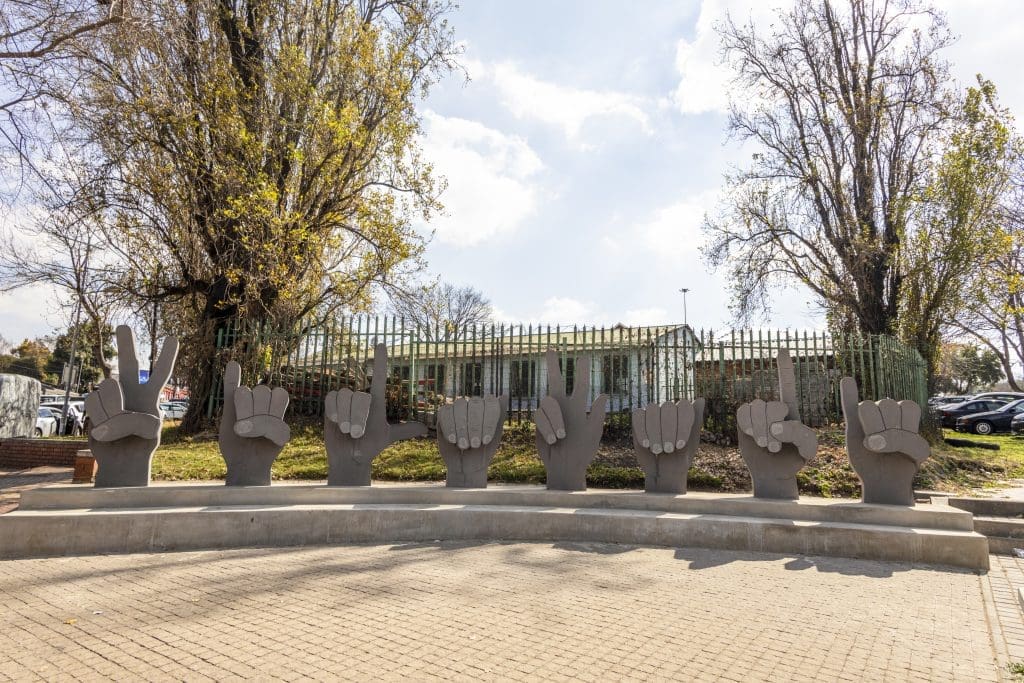
Soweto (South Western Townships) was designed by apartheid architects to segregate Black workers from white Johannesburg. It became instead a cradle of resistance—home to Nelson Mandela, Desmond Tutu, and countless freedom fighters. On June 16, 1976, Soweto’s children changed history when they marched against forced Afrikaans education. Police opened fire. The Soweto Uprising—and the image of dying 12-year-old Hector Pieterson—shocked the world.
Today, Vilakazi Street in Soweto is the only street in the world to have housed two Nobel Peace Prize winners (Mandela and Tutu). The Mandela House Museum preserves his former home exactly as it was. The Hector Pieterson Memorial and Museum tells the story of the students who gave everything for freedom.
The Apartheid Museum in Johannesburg is essential. From the moment you enter—assigned a ‘white’ or ‘non-white’ entrance based on a random ticket—you experience the dehumanization of racial classification. The exhibits trace apartheid from inception to democracy, honoring those who resisted and those who fell.
Why it matters: Apartheid ended within living memory. The lessons here aren’t ancient history—they’re warnings and inspiration. Soweto proves that organized resistance, even by children, can topple systems that seem invincible.
10. London, England (Soho Square to Russell Square)
Hidden Black Britain
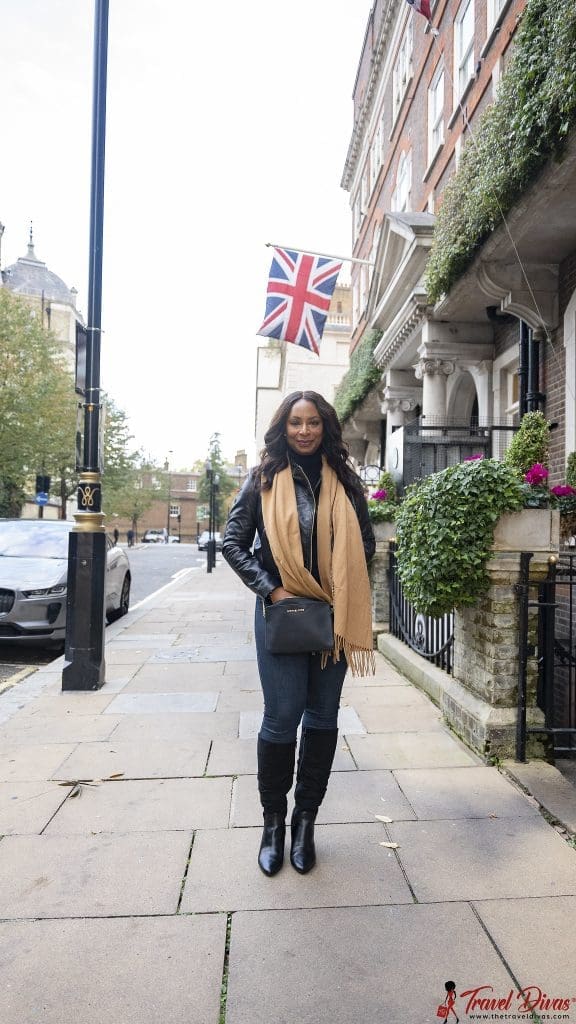
Black presence in London stretches back to Roman times, but most of it remains invisible. The walk between Soho Square and Russell Square reveals centuries of African-Caribbean history hiding in plain sight.
At 14 Soho Square, a blue plaque marks where Mary Seacole—the Jamaican nurse known as ‘The Black Florence Nightingale’—lived after returning from the Crimean War. Nearby, you’ll learn about Ira Aldridge, the first Black man to play Othello at Covent Garden in 1833, and Ignatius Sancho, the first Black person in Britain to vote.
The Black History Walks tour connects these dots: Marcus Garvey’s London connections, the Pan-African Congress, Paul Robeson’s activism, and the Windrush generation. At the British Museum near Russell Square, you’ll confront the Benin Bronzes—extraordinary artworks looted from the Kingdom of Benin in 1897, now centerpieces of debates about repatriation.
Why it matters: Britain built its empire on the slave trade, yet Black British history is often erased. Walking these streets reclaims space, challenges narratives, and proves that Black people have always been part of British society—not as objects, but as makers of history.
The Journey Is the Destination
Each of these destinations offers something different: grief and healing, celebration and resistance, history and living culture. Some will break your heart. Others will fill it. All of them will change how you see yourself and your place in the world.
This Black History Month, consider what it means to travel with intention. To stand where ancestors stood. To see what they saw. To understand—in your bones, not just your mind—the journey that made you possible.
Because when Black women travel to understand our heritage, we’re not just tourists. We’re witnesses. We’re mourners. We’re celebrants. We’re healers.
We’re coming home.
Ready to plan your heritage journey? Share this with the women in your life who need to experience these powerful destinations. Which one is calling to you?